


Database Documentation
About the Database
There are two sets of data available for download and use: SAS files (labeled analysis files) and comma-delimited files (labeled ‘raw files’). Both are structured in a relational database strategy, with keywords of ID (DEIDNUM) and Visit (VISIT) connecting information in the files to the individuals.
Guide to Using the Public Database
The Guide to Using the Public Database document describes the contents of the database download files, how to install them and data usage notes.
Forms
This section contains all the Case Control Report Forms, Non-Case Control Report Forms, Visit Forms, Data Dictionary, and Miscellaneous Forms.
Data Contents
This section consists of the technical documents describing, in detail, the public use dataset. It is most often useful in creating an analysis data set. The data described within is optimal for building a Person-Time data set – one observation per each visit a subject provided information.
Table of Available Measures
Analysis Datasets including, Psychological, BioMarkers, Physiological, Other, and Measures of Caloric Restriction
Data Handling Rules
It outlines how raw data are transformed into database-ready items, including the established data cleaning procedures determined by the CALERIE Committee. Key areas covered include rules for variable derivation, methods for defining and coding variables, range limitations, and allocation to refusal and missing values.
CTS Intervention Database
The CALERIE study used a central computer tracking system (CTS) to monitor participant compliance, session attendance, self-monitoring, dietary adherence, and weight loss. The CTS generated detailed reports for staff and sites to support intervention fidelity. Key resources include the CTS Deidentified Data Dictionary, SAS Data, and Ascii Data, which provide comprehensive data for researchers analyzing behavioral adherence and study outcomes.
Biorepository
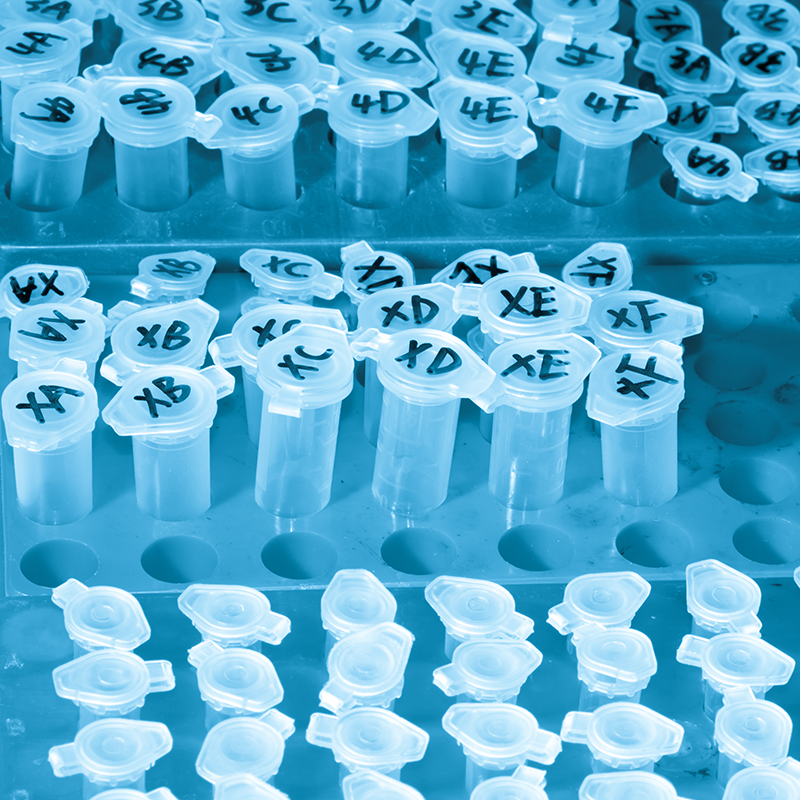
The CALERIE sample repositories, which include blood, urine, and tissue samples, have been transferred to the NIA Aging Research Biobank. Researchers should contact the Biobank to confirm sample availability before submitting funding requests.
Apply for Samples and Data
Available Statistical Support
Steve Kemp manages CALERIE data, updates databases, assists with sample requests, and offers database and analysis support, alongside Dr. Carl Pieper, for data access and longitudinal trial analysis.
Apply for Samples
Samples and Data may be requested, case studies reviews and examples of past and future proposals